
Why work with AgiCAD
Within two business days
We read your message and reply - not a sales queue, not an account manager.
Hour Blocks from $180
Prepaid in Hour Blocks of 6, 12 or 24 hours. No fixed scope, no expiry on unused hours.
Vue 3 in production
Several of our own live products run Vue 3 front ends - open to check on our products page.
You own the code
Full documented source in your repository. No lock-in, no recurring licence to us.
Where Vue projects
usually get stuck.
Vue 2 reached end of life at the end of 2023. Most of the work on this page starts from something that consequence caused.
Still on Vue 2
Vue 2 stopped receiving updates at the end of 2023, and the ecosystem moved on. New libraries assume Vue 3, and security updates for the old dependency tree have dried up.
Options API sprawl
Components thousands of lines long, logic duplicated through mixins nobody can trace. Moving to the Composition API with composables makes the shared logic explicit and testable.
Vuex is in maintenance mode
Pinia is now the recommended store. The migration is mostly mechanical - modules become stores, mutations disappear - and it deletes a surprising amount of boilerplate and fixes TypeScript inference along the way.
The build tooling is the blocker
Webpack 4 and vue-cli builds that take minutes and fail on modern Node. Moving to Vite usually cuts the dev loop to seconds and unblocks the rest of the upgrade.
TypeScript half-applied
Types on some components, any everywhere else, and props that lie. Vue 3's script setup with typed props and defineEmits makes the contract between components real.
A SPA that search engines can't read
A client-rendered app with one empty index.html. Nuxt with server rendering or static generation fixes indexability, meta tags and first paint without throwing the code away.
What the hours buy.
Front-end only, or the whole stack - whichever half of the problem you're missing.
Features in an existing Vue app
Dropping into a codebase somebody else wrote, matching its conventions, and shipping the thing your users are waiting for - without leaving a mess behind.
- New views, components & flows
- Forms with real validation
- Tables with server-side filtering & export
- Charts & data visualisation
- Accessibility and keyboard handling
- Bug fixes in unfamiliar code
Complete Vue 3 applications
A front end built from scratch on Vue 3 with script setup, TypeScript, Vite, Vue Router and Pinia - wired to your API or one we build alongside it.
- Vue 3 + TypeScript + Vite
- Pinia stores & Vue Router
- Component library & design tokens
- Auth flows & route guards
- Vitest unit tests, Playwright end-to-end
- Production build & deploy
Vue 2 to Vue 3 migration
The upgrade done in slices: dependency audit first, then the migration build, then components converted in batches with the app shippable throughout.
- Dependency & breaking-change audit
- Migration build (compat) strategy
- Options API to Composition API
- Vuex to Pinia
- Vue Router 3 to 4, filters & event bus removal
- webpack / vue-cli to Vite
Nuxt, SSR & performance
When the SPA needs to be indexable or simply faster on a mid-range phone.
- Nuxt server rendering or static generation
- Meta tags, sitemaps & structured data
- Route-level code splitting
- Bundle analysis & dependency pruning
- Image and font loading strategy
- Core Web Vitals work
Laravel + Vue full stack
Most Vue problems are really API problems. We can take both ends, so nobody gets to blame the other side.
- Laravel APIs behind the front end
- Auth (Sanctum) & permissions
- Inertia.js or a decoupled SPA
- File uploads & background jobs
- Deployment for both halves
- Clear accountability end to end
From "our front end is stuck"
to merged and deployed.
Short loops, real commits, no month of silence before the first demo.
Show us what exists
Repository, Vue version, state library, build tool, and what you need. Rough is fine - an honest look at the code usually answers most of it.
Pick an Hour Block
Prepay a block of hours - 6, 12, or 24. The block is the budget; we work until it's used, or you top up. Hours don't expire.
Ship in branches
Small pull requests against your conventions, reviewed the way your team already reviews code, with a deployed preview where you have one.
Merge & hand back
Merged, documented, with the reasoning written down - especially for a migration, where the next person needs to know which pattern is now the right one.
Vue 3 running
in production.
Client work stays under NDA, so what we show is what we run ourselves: our own Vue applications, live and documented down to the tradeoffs.
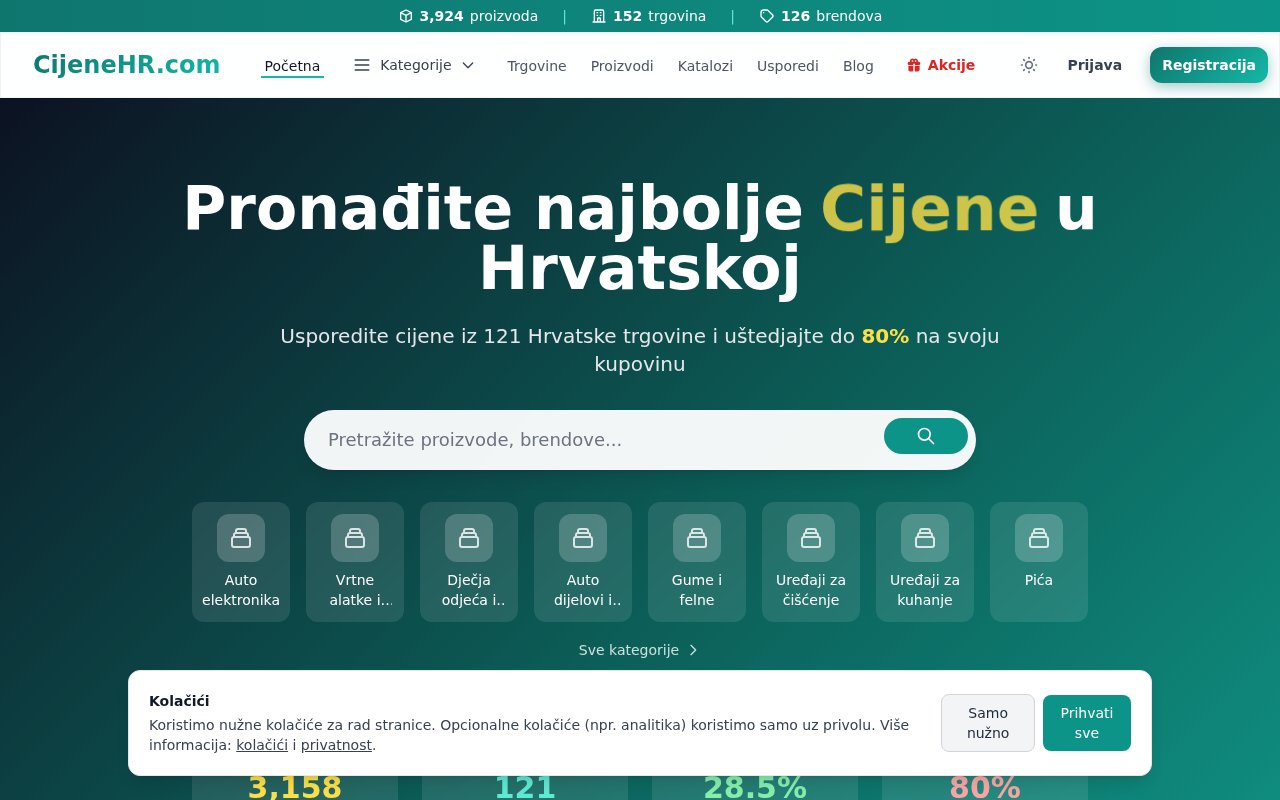
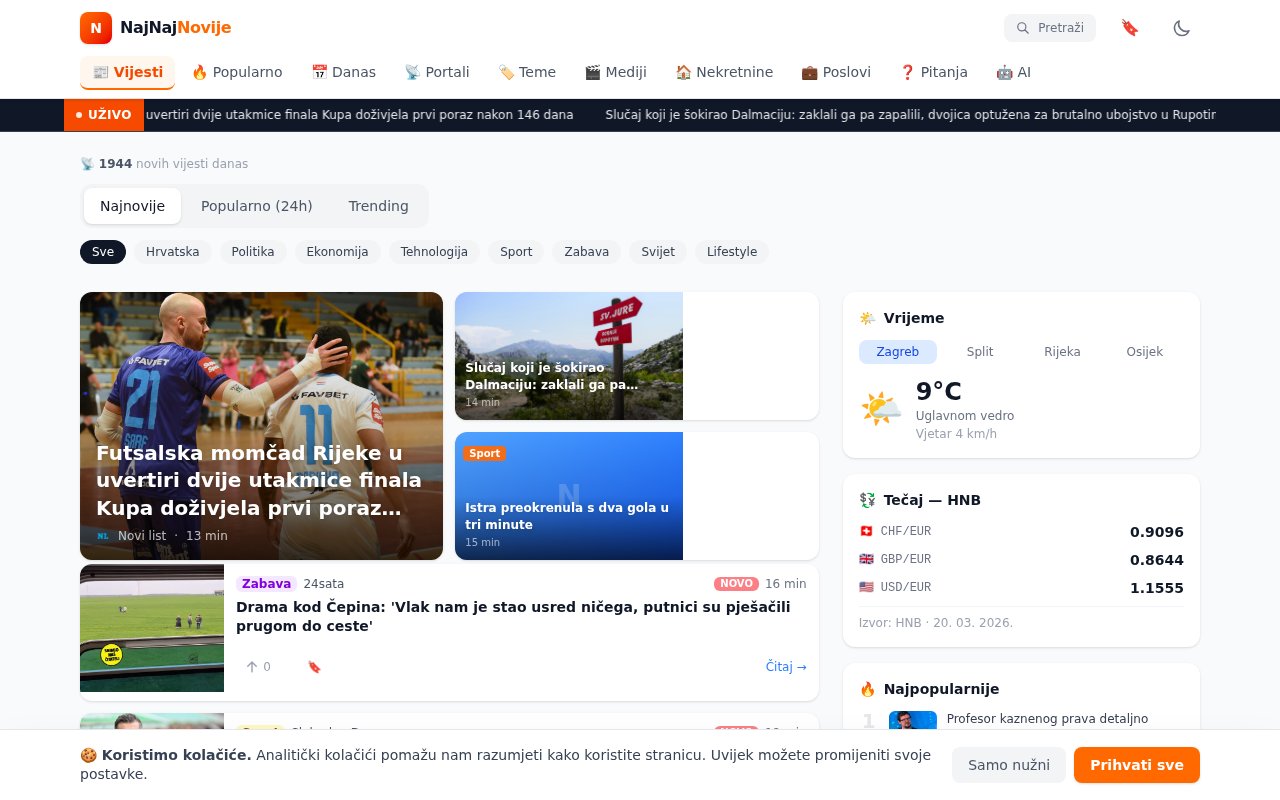

Everything above is our own work, designed, built, deployed and run in-house. Client work stays under NDA, so what we show is what we run ourselves.
Prepaid in Hour Blocks.
Three block sizes. An Hour Block is a bucket of time - pick the block that fits the size of the job.
Starter - 6 hrs
$180
Typically enough for a component fix, a build-tooling break, a small feature.
Standard - 12 hrs
$360
Typically enough for a feature end to end, or the first slice of a Vue 2 to 3 migration.
Pro - 24 hrs
$720
Typically enough for a larger migration, or the core screens of a new Vue 3 app.
Hour Blocks are sold at $30/hr with no discount. Unused hours don't expire - apply them to the same project, or roll them into a top-up Hour Block.
Frequently asked.
What's an Hour Block - and what if our job takes more or fewer hours?
An Hour Block is a prepaid block of hours: Starter (6h, $180), Standard (12h, $360) or Pro (24h, $720). It is a bucket of time, not a fixed-scope deliverable. If the work finishes before the hours are used, the leftover rolls forward to the same project or into a top-up Hour Block - hours do not expire. If the work runs over, you buy another Hour Block.
How long does a Vue 2 to Vue 3 migration take?
It depends almost entirely on your dependencies, not on your component count. A typical app migrates in slices: a dependency and breaking-change audit first, then the build tooling, then components in batches. The audit is the honest way to answer this, and it fits comfortably inside a Starter or Standard Hour Block.
Do we have to migrate everything at once?
No. Vue's migration build lets a Vue 2 codebase run under Vue 3 with compatibility warnings switched on, so you can convert component by component while the app keeps shipping. Vuex to Pinia and Options to Composition API can also be done incrementally - both can coexist with the old style during the transition.
Can you work inside our existing codebase and conventions?
That is everyday work here. We read the code first, match your patterns, and open small pull requests your team can actually review. If a convention is genuinely harmful we will say so and explain why - but we do not quietly rewrite things to our own taste on your budget.
Do you do Nuxt, TypeScript and testing, or only plain Vue?
All of it: Vue 3 with script setup and typed props, Pinia, Vue Router 4, Vite, Nuxt for server rendering or static generation, Vitest for unit tests and Playwright for end-to-end coverage of the flows where a bug would be expensive.
Can you do the backend too?
Yes - Laravel and Django APIs, auth, background jobs and deployment. Plenty of front-end problems turn out to be API design problems, and it is faster when the same studio can fix both sides.
Do we own the code, and will you sign an NDA?
You own everything: code lands in your repository, documented, with no lock-in and no recurring licence. We will sign your NDA or use a simple mutual one, and no client, client domain or client repository is ever named on this site.
How do we work together day to day?
Whatever you already use - your repository, your issue tracker, your Slack or Teams. You deal with us directly, and you get a short written update with every branch we push.
related
Show us the front end.
What exists today, what you need built or migrated, and any deadline - a few sentences is plenty. We read every message and reply within two business days with an honest take and which Hour Block fits.
Prefer email?
[email protected]